
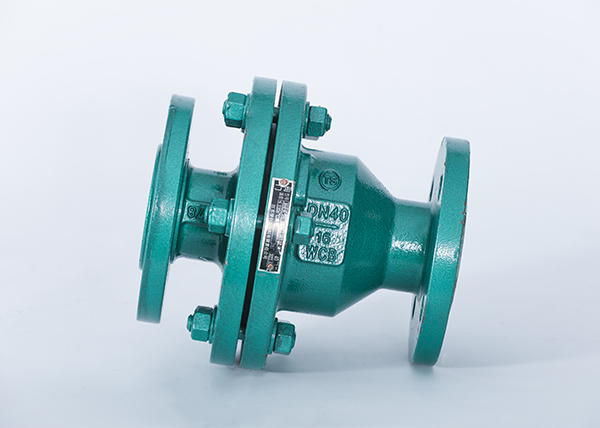
PTFE equipment is widely used in demanding industrial environments because it combines exceptional chemical resistance,
low friction, stable thermal performance, and reliable electrical insulation. PTFE, also known as
polytetrafluoroethylene, is a high-performance fluoropolymer that performs well where many plastics,
metals, and rubber materials fail. When users ask what performance characteristics PTFE equipment have,
the answer usually includes a combination of corrosion resistance, non-stick properties, wide temperature tolerance,
low moisture absorption, and long service life under aggressive process conditions.
This page provides a clear, SEO-friendly, and industry-focused overview of PTFE equipment performance characteristics.
It is designed for use in blog posts, category pages, industry pages, product directory pages, and knowledge-base content.
The content below is general and does not recommend any specific brand or company. It explains the definition of PTFE
equipment, its core advantages, common specifications, typical applications, and practical considerations for selection
and use.
PTFE equipment refers to industrial components, parts, linings, fittings, hoses, seals, gaskets, valves, containers,
piping accessories, laboratory items, and process equipment made wholly or partly from PTFE material. In many industries,
PTFE is used either as a structural material or as a lining material to improve resistance against chemicals, heat,
contamination, and wear.
The material is best known for its inertness and low surface energy. These properties make PTFE equipment suitable for
handling acids, alkalis, solvents, corrosive gases, ultrapure fluids, and high-purity media. It is also widely used in
environments where product purity, smooth flow, and non-reactivity are critical.
PTFE equipment is important because many industrial processes require materials that can survive harsh operating
conditions without degrading. In chemical processing, pharmaceuticals, food production, electronics, and oil and gas,
equipment may face continuous exposure to aggressive substances, high temperatures, pressure changes, and strict
cleanliness requirements. PTFE offers a practical balance of performance and reliability in these settings.
Compared with many conventional plastics, PTFE has significantly better resistance to chemicals and heat. Compared with
many metals, it offers superior non-stick behavior and insulation. These performance advantages help reduce downtime,
minimize contamination risk, and extend equipment life in a wide range of applications.
The most important performance characteristics of PTFE equipment are outlined below. These features explain why PTFE
remains one of the most widely specified fluoropolymers in industrial engineering.
One of the most recognized PTFE performance characteristics is exceptional chemical resistance. PTFE is highly resistant
to most acids, bases, solvents, oxidizers, and corrosive agents. This makes PTFE equipment suitable for chemical
transfer, reactor components, seals, lining systems, and process flow paths where aggressive media are present.
PTFE typically resists attack from a broad range of chemicals at both ambient and elevated temperatures. This chemical
inertness helps maintain long-term stability and reduces the risk of contamination, swelling, cracking, or degradation.
As a result, PTFE equipment is often chosen for severe-duty chemical service.
PTFE equipment performs reliably across a broad temperature range. It is known for maintaining its properties in both
low-temperature and high-temperature environments. In many industrial applications, PTFE can operate continuously at
temperatures far above the limits of ordinary plastics, while also remaining flexible and functional in cold conditions.
This temperature tolerance is especially valuable in thermal cycling applications, heated process lines, laboratory
systems, steam-adjacent environments, and cold-storage or cryogenic-related operations. PTFE does not easily become brittle
under low temperatures and does not melt under normal industrial heat exposure within its usable range.
PTFE has one of the lowest coefficients of friction of any solid material. This low-friction characteristic is a major
reason why PTFE equipment is frequently used in sliding, sealing, and flow-control applications. The low surface energy
helps reduce sticking, drag, and wear in moving or contacting parts.
In practice, this means PTFE equipment can improve release performance, reduce buildup, support smoother movement, and
decrease the likelihood of product adhesion. It is particularly useful in gaskets, bearings, bushings, seats, diaphragms,
and non-stick process surfaces.
PTFE is widely known for its non-stick properties. Materials and process media are less likely to adhere to PTFE surfaces,
which simplifies cleaning and improves process efficiency. This anti-adhesion performance is helpful in industries where
residue, scaling, or fouling can cause operational problems.
PTFE equipment is often used where cleanability matters, including food processing, pharmaceutical systems, fluid handling,
and laboratory work. The non-stick surface also supports stable flow characteristics and helps reduce product loss or
contamination.
PTFE has excellent dielectric properties, making it a strong electrical insulator. This is one reason PTFE equipment is
used in wiring components, cable insulation, electronic assemblies, connectors, and certain high-frequency applications.
The material performs well where electrical isolation and signal stability are important.
The combination of chemical resistance and electrical insulation makes PTFE useful in harsh environments where other
insulating materials may fail due to moisture, heat, or chemical attack.
PTFE absorbs almost no water compared with many other polymer materials. This low moisture absorption helps preserve
mechanical stability and dimensional consistency in humid, wet, or submerged conditions. Equipment made from PTFE is
therefore less prone to property changes caused by water uptake.
Low moisture absorption is beneficial in sealing systems, outdoor installations, laboratory instruments, and chemical
processing equipment that may encounter water, steam, or washdown procedures.
PTFE is often selected for high-purity applications because it is chemically inert and does not readily react with process
media. This helps reduce contamination risk, making it suitable for sensitive industries such as semiconductor
manufacturing, pharmaceutical production, laboratory systems, and specialty chemical processing.
When product purity is a priority, PTFE equipment can help maintain clean process conditions and reduce unwanted material
interaction.
PTFE equipment also offers good resistance to weathering, sunlight exposure, and environmental aging. It does not degrade
quickly under UV exposure and remains stable in many outdoor settings. This makes it useful in exposed installations,
outdoor piping protection, and environments where long-term durability is required.
PTFE is stable in many operating conditions, although it does exhibit a degree of creep under load. In properly designed
equipment, PTFE can maintain functional stability and support consistent performance over time. Dimensional behavior is a
critical consideration in seals, gaskets, liners, and precision components.
While PTFE is not as rigid as some engineering plastics or metals, its service stability remains a major advantage when
the operating environment is chemically harsh or thermally demanding.
The advantages of PTFE equipment are directly linked to its performance characteristics. Below are the most common
industrial benefits.
| PTFE Equipment Advantage | Performance Benefit | Typical Industrial Value |
|---|---|---|
| Chemical resistance | Resists aggressive chemicals and solvents | Longer service life in corrosive processes |
| Low friction | Reduces drag, sticking, and wear | Smoother operation and less maintenance |
| Non-stick surface | Limits adhesion and buildup | Easier cleaning and improved process cleanliness |
| Temperature resistance | Performs across a wide thermal range | Suitable for hot and cold industrial service |
| Electrical insulation | Blocks electrical conduction | Useful in electronics and cable systems |
| Low moisture absorption | Minimizes water-related property changes | Stable performance in humid or wet environments |
| High purity | Reduces contamination and reactivity | Preferred for sensitive process media |
| Weather resistance | Handles outdoor exposure well | Better durability in exposed installations |
PTFE equipment is available in many forms depending on the industry and application. The following categories are among
the most common.
Actual product specifications vary by design, thickness, reinforcement, manufacturing method, and application. The table
below provides general industry ranges and typical characteristics for PTFE equipment. These values are intended as a
reference only.
| Property | Typical PTFE Performance Range / Characteristic | Notes |
|---|---|---|
| Continuous temperature range | Approximately -200°C to +260°C | Application-dependent; design must consider pressure and load |
| Chemical resistance | Excellent against most acids, bases, and solvents | Verify compatibility with strong fluorinating agents and specific process conditions |
| Coefficient of friction | Very low | One of the lowest among solid engineering materials |
| Moisture absorption | Extremely low | Supports dimensional stability in wet environments |
| Electrical properties | Excellent dielectric insulation | Useful in cables, connectors, and electronic systems |
| UV resistance | Good | Suitable for outdoor exposure in many cases |
| Surface energy | Very low | Creates non-stick and anti-adhesion behavior |
| Mechanical rigidity | Moderate to low | PTFE is not as rigid as metals or some engineering plastics |
| Wear resistance | Good in certain low-friction designs | Often improved by fillers or composite formulations |
| Thermal conductivity | Low | Acts as an insulator rather than a heat conductor |
PTFE equipment is used in many sectors, and each sector values different performance characteristics. The following
overview explains why PTFE is selected in each environment.
In chemical processing, PTFE equipment is valued for corrosion resistance, thermal stability, and low permeability. It
helps protect process systems from acids, solvents, and oxidizing agents. PTFE linings, seals, and hoses are common in
transfer and containment applications.
In pharmaceutical production, PTFE equipment supports purity, cleanability, and chemical inertness. Its non-stick surface
helps reduce residue buildup and simplifies cleaning procedures. It is often used in fluid paths, seals, tubing, and
process accessories.
PTFE equipment is useful in food and beverage systems because of its non-stick behavior, ease of cleaning, and resistance
to many process chemicals used in sanitation. It can help reduce contamination risks and improve hygienic process control.
In electronics and semiconductor manufacturing, PTFE is valued for electrical insulation, chemical resistance, and high
purity. It is used in cable insulation, precision components, fluid handling, and contamination-sensitive equipment.
PTFE equipment is useful in oil and gas applications where seals, gaskets, and components must resist chemicals,
hydrocarbons, heat, and pressure. Its low friction and sealing properties support reliable performance in demanding
operating conditions.
In laboratory environments, PTFE equipment is preferred because it is inert, easy to clean, and compatible with many
reagents. It is common in sample handling, analytical systems, tubing, fittings, and container accessories.
PTFE is often compared with materials such as PVC, polypropylene, polyethylene, rubber, stainless steel, and other
fluoropolymers. While each material has strengths, PTFE generally stands out in chemical resistance, temperature
tolerance, low friction, and anti-stick performance.
| Material | Strength Compared With PTFE | Limitation Compared With PTFE |
|---|---|---|
| PVC | Lower cost, easy fabrication | Lower temperature and chemical resistance |
| Polypropylene | Good chemical resistance and affordability | Lower heat resistance and lower inertness |
| Polyethylene | Good flexibility and impact resistance | Less suitable for high-temperature or aggressive chemicals |
| Rubber | Excellent elasticity and compression sealing | Typically weaker chemical and heat resistance |
| Stainless steel | High strength and rigidity | Can corrode in certain environments; not non-stick |
| Other fluoropolymers | May offer similar performance | PTFE is often the benchmark for inertness and low friction |
Although PTFE equipment has many strengths, it is important to understand its limitations as well. A balanced view
supports better selection and application.
| Category | PTFE Equipment Performance |
|---|---|
| Advantages | Excellent chemical resistance, low friction, wide temperature tolerance, non-stick surface, electrical insulation, low moisture absorption |
| Limitations | Lower mechanical strength, creep under load, limited rigidity, harder to bond than many plastics, may require reinforcement in demanding structural uses |
The limitations of PTFE do not reduce its value; rather, they highlight the importance of correct design and proper
application selection. In many industrial systems, PTFE is used as a liner, coating, or sealing element specifically
because its chemical and thermal performance outweigh its mechanical softness.
When evaluating PTFE equipment, users should consider more than just the material name. The following factors can affect
actual performance in service.
In many cases, PTFE equipment is modified with fillers or reinforcement to improve specific performance traits. These
modifications may include glass, carbon, graphite, bronze, or other additives depending on the target application.
Filled PTFE can provide improved wear resistance, better dimensional stability, reduced creep, and enhanced load-bearing
behavior. However, the chemical resistance, friction, electrical properties, and purity profile may change slightly
depending on the filler type. For this reason, material selection should always align with the process requirements.
PTFE equipment can improve process efficiency in several ways. Its low-friction surface can reduce resistance in flow and
movement. Its non-stick properties can decrease buildup and simplify cleaning. Its chemical resistance can lower the
frequency of replacement. Its thermal stability can support long-term use in demanding conditions.
In real-world industrial systems, these benefits can translate into less downtime, lower maintenance frequency, improved
reliability, and more stable output quality. For operations that value uptime and contamination control, PTFE equipment
can be a high-value material choice.
| Function | PTFE Equipment Examples | Main Performance Benefit |
|---|---|---|
| Sealing | Gaskets, seals, valve seats | Chemical resistance and low friction |
| Fluid transfer | Tubing, hoses, liners, pipes | Corrosion resistance and purity |
| Insulation | Cable jackets, electronic parts | Electrical insulation and heat resistance |
| Sliding support | Bearings, bushings, wear pads | Low friction and anti-wear behavior |
| Containment | Lined tanks, reactors, vessels | Resistance to corrosive media |
| Clean processing | Labware, sanitary components, transfer lines | Non-stick surface and easy cleaning |
Yes. PTFE is known for outstanding chemical resistance and is compatible with a broad range of industrial chemicals.
However, compatibility should always be confirmed for the exact process media, temperature, and pressure conditions.
PTFE equipment performs well at elevated temperatures compared with many plastics. It is commonly used in applications
that require continuous thermal resistance. Still, the exact safe operating range depends on the equipment design and
mechanical load.
PTFE has very low surface energy, which makes it difficult for substances to adhere to it. This is why PTFE equipment
offers strong non-stick and anti-fouling behavior in many applications.
Yes. PTFE provides excellent dielectric insulation and is widely used where electrical isolation and stable performance
are required.
PTFE equipment is durable in many environments, but because PTFE is relatively soft, wear performance depends on design,
load, motion, and whether fillers or reinforcements are used. In low-friction applications, PTFE can perform very well.
This content naturally includes important search terms related to PTFE equipment performance characteristics, such as
PTFE equipment, PTFE performance characteristics, chemical resistance,
temperature resistance, low friction, non-stick surface,
electrical insulation, high-purity materials, PTFE specifications,
and PTFE industrial applications. These keywords support relevance for search engines while still
maintaining readable, informative, and user-focused content.
PTFE equipment is highly valued across industrial markets because of its unique combination of performance characteristics.
It offers excellent chemical resistance, wide temperature tolerance, very low friction, strong non-stick behavior,
electrical insulation, low moisture absorption, and high purity. These benefits make PTFE one of the most dependable
materials for corrosive, high-temperature, contamination-sensitive, and low-friction applications.
While PTFE equipment has limitations in rigidity and load-bearing strength, its overall performance profile makes it a
leading choice for sealing, lining, transfer, insulation, and process-control applications. For blogs, directory pages,
industry pages, and educational resources, PTFE equipment remains a strong topic for SEO content because it answers
high-intent industrial search queries with clear technical value.
```
著作権 © 2023 江蘇解放新材料有限公司 サイトマップ
この Web サイトでは、お客様に最高のエクスペリエンスを提供するために Cookie を使用しています。

 English
 Pусский
 한국어
한국어 हिन्दी



 ワッツアップ
 電話
電話
コメント
(0)