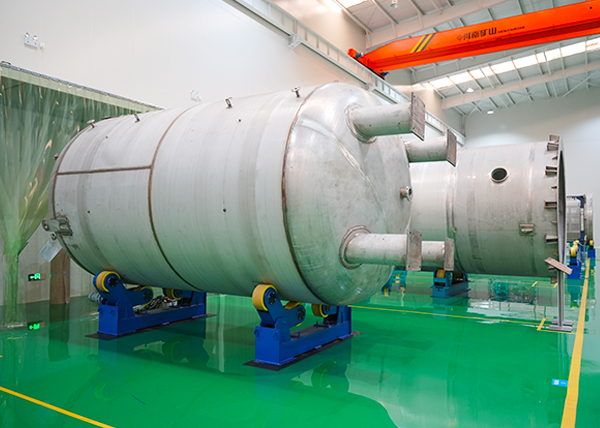
Stainless Steel Vertical Storage Tank: The Ultimate Guide for Safe and Efficient Industrial Storage
Have you ever wondered why so many industries rely on stainless steel vertical storage tanks for storing valuable liquids, chemicals, and process materials?
As a manufacturer involved in industrial storage equipment and chemical process systems, I often meet customers who face challenges such as corrosion, contamination, limited installation space, and rising maintenance costs. Choosing the right storage tank is not just about capacity—it directly impacts product quality, operational safety, and long-term profitability.
Among the many storage solutions available today, the stainless steel vertical storage tank remains one of the most versatile and trusted options. Its durability, hygiene, corrosion resistance, and space-saving design make it suitable for industries ranging from chemical processing and pharmaceuticals to food production and water treatment.
In this guide, I will explain how stainless steel vertical storage tanks work, where they are used, how they compare with alternative tank types, and what factors should be considered before purchasing one.
On This Page
What Is a Stainless Steel Vertical Storage Tank?
Why Stainless Steel Is Widely Used for Storage Tanks
Key Advantages of Stainless Steel Vertical Storage Tanks
Common Industrial Applications
Stainless Steel vs Other Storage Tank Materials
How I Choose the Right Stainless Steel Vertical Storage Tank
Maintenance and Operational Tips
Frequently Asked Questions
A stainless steel vertical storage tank is a cylindrical vessel designed to store liquids, semi-liquids, powders, and certain bulk materials. Its vertical configuration maximizes storage capacity while minimizing floor space requirements.
These tanks are commonly manufactured from:
Stainless Steel 304
Stainless Steel 316
Duplex Stainless Steel
Customized stainless steel alloys
Depending on the application, tanks may include:
Agitators
Heating jackets
Insulation systems
Level indicators
Ventilation systems
CIP (Clean-in-Place) systems
Because of their flexibility, stainless steel vertical storage tanks are widely used across numerous industries.
In my experience, stainless steel offers an excellent balance between durability, cleanliness, and corrosion resistance.
Unlike ordinary carbon steel, stainless steel forms a protective chromium oxide layer that helps resist corrosion and oxidation.
This provides several benefits:
Longer service life
Lower maintenance costs
Better product protection
Improved hygiene standards
For industries where contamination is unacceptable, stainless steel remains one of the preferred storage materials.
One of the biggest advantages of a stainless steel vertical storage tank is its ability to resist many chemicals and environmental conditions.
It performs well when storing:
Water
Food ingredients
Pharmaceutical products
Mild chemicals
Industrial liquids
For highly aggressive chemicals, additional PTFE lining may be recommended.
Vertical tanks use less floor space compared with horizontal tanks.
This makes them ideal for:
Manufacturing facilities
Warehouses
Chemical plants
Water treatment stations
When installation area is limited, vertical storage often becomes the most practical solution.
Stainless steel tanks can withstand:
Heavy loads
External impacts
Pressure fluctuations
Long-term industrial use
Their robust construction contributes to operational reliability.
The smooth stainless steel surface is easy to clean and sanitize.
This is especially important in:
Food processing
Beverage production
Pharmaceutical manufacturing
Properly maintained stainless steel tanks often remain in operation for decades.
This reduces replacement costs and improves return on investment.
Chemical manufacturers use stainless steel vertical storage tanks for:
Chemical raw materials
Intermediate products
Process liquids
Acid and alkali solutions
Applications include:
Edible oils
Fruit juice
Dairy products
Alcohol
Syrups
The hygienic surface helps maintain product quality and food safety.
In pharmaceutical production, purity is critical.
These tanks are used for:
Active ingredients
Intermediate compounds
Purified water
Finished products
Storage tanks play an essential role in:
Clean water systems
Wastewater treatment
Chemical dosing operations
Many facilities use stainless steel vertical storage tanks for:
Lubricants
Process oils
Fuel additives
Specialty fluids

Selecting the right material significantly affects performance and operating costs.
| Material | Corrosion Resistance | Strength | Hygiene | Temperature Resistance |
|---|---|---|---|---|
| Carbon Steel | Moderate | Excellent | Moderate | High |
| Stainless Steel 304 | Good | Excellent | Excellent | High |
| Stainless Steel 316 | Excellent | Excellent | Excellent | High |
| Polyethylene (PE) | Good | Moderate | Good | Limited |
Source: Material engineering handbooks and industrial storage tank manufacturer specifications.
| Tank Material | Typical Service Life |
|---|---|
| Carbon Steel | 10–15 Years |
| Polyethylene | 8–15 Years |
| Stainless Steel 304 | 20–30 Years |
| Stainless Steel 316 | 25–35+ Years |
Source: Industry maintenance records and storage equipment lifecycle studies.
| Industry | Carbon Steel | Stainless Steel | PTFE-Lined Tank |
|---|---|---|---|
| Food & Beverage | Limited | Excellent | Excellent |
| Pharmaceuticals | Limited | Excellent | Excellent |
| Chemical Processing | Good | Good | Excellent |
| Semiconductor Chemicals | Poor | Moderate | Excellent |
Source: Chemical compatibility references and industrial engineering standards.
Every project requires careful evaluation.
When assisting customers, I focus on several important factors.
First, I identify:
Liquid type
Chemical composition
Corrosiveness
Purity requirements
The stored material determines the most suitable tank material.
Capacity should match:
Production volume
Storage requirements
Future expansion plans
Proper sizing improves efficiency and reduces unnecessary costs.
Consider:
Temperature
Pressure
Indoor or outdoor installation
Environmental exposure
These factors affect design specifications.
Different industries may require:
GMP compliance
Food-grade standards
Environmental regulations
Pressure vessel certifications
A well-designed tank should be easy to inspect, clean, and maintain throughout its service life.
Even high-quality tanks require proper maintenance.
Inspect:
Weld seams
Connections
Nozzles
Valves
Early detection helps prevent costly repairs.
Regular cleaning:
Protects product quality
Prevents contamination
Extends equipment life
Excessive chloride concentration may increase corrosion risk for certain stainless steel grades.
Track:
Temperature
Pressure
Liquid levels
Stable operating conditions improve performance and safety.
Periodic inspections by experienced technicians help maximize service life.
316 stainless steel contains molybdenum, providing improved corrosion resistance, especially in chloride-rich environments.
Yes. Their hygienic surface and easy cleaning characteristics make them widely used in food and beverage production.
Depending on operating conditions and maintenance practices, service life can exceed 20–35 years.
Many chemicals can be safely stored in stainless steel tanks. However, highly aggressive chemicals may require PTFE-lined storage solutions.
Absolutely. Capacity, dimensions, insulation, heating systems, agitators, and connection configurations can all be customized.
From my experience in industrial storage equipment manufacturing, the stainless steel vertical storage tank remains one of the most practical and cost-effective solutions for liquid storage across multiple industries. Its combination of durability, hygiene, corrosion resistance, and efficient space utilization makes it suitable for chemical processing, food production, pharmaceutical manufacturing, water treatment, and many other applications.
At Jiangsu Jiexin New Material Co., Ltd., we provide customized stainless steel storage tanks, PTFE-lined equipment, process systems, and turnkey engineering solutions tailored to customer requirements. By combining advanced manufacturing capabilities with professional engineering expertise, we help global customers achieve safer operations, higher product quality, and long-term reliability.
著作権 © 2023 江蘇解放新材料有限公司 サイトマップ
この Web サイトでは、お客様に最高のエクスペリエンスを提供するために Cookie を使用しています。