ログイン | 登録
プロダクトセンター
ホーム > 製品 > PTFE 継手およびバルブ > PTFE Pipe Reducer for High Purity Chemical and Industrial Systems

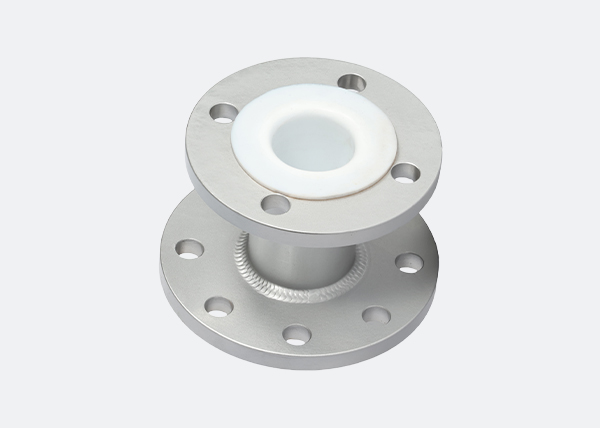
PTFE Pipe Reducer for High Purity Chemical and Industrial Systems

    PTFE Pipe Reducer for High Purity Chemical and Industrial Systems

    The PTFE pipe reducer is a high-performance fluoropolymer fitting designed to connect pipes of different diameters in demanding chemical, semiconductor, and pharmaceutical systems. It ensures smooth flow transition, excellent chemical resistance, and high purity performance under extreme operating conditions up to 260°C. Manufactured with precision PTFE material, this reducer minimizes turbulence, leakage risks, and contamination in ultra-pure and corrosive fluid pipelines. Widely used in industrial chemical processing, wet etching systems, and high-purity water networks, the PTFE pipe reducer...
  • 共有:
  • 連絡する オンライン引合
  • 電子メール:zhaojiguang@jsjcxcl.com.cn

PTFE Pipe Reducer for High Purity Chemical and Industrial Systems: A Practical Engineering Guide from Real Manufacturing Experience

Introduction: Why Do High-Purity Systems Depend on a PTFE Pipe Reducer?

In my daily work with fluoropolymer piping systems, one problem appears very often:

“How do we safely connect two pipes of different diameters without causing turbulence, leakage, or contamination?”

The answer is usually a PTFE pipe reducer.

From my perspective as a manufacturer of PTFE-lined equipment and fluoroplastic systems, this component may look simple, but it plays a very important role in pressure balance, flow stability, and system purity control.

It is widely used in semiconductor chemical lines, pharmaceutical fluid systems, and high-purity industrial piping networks.

In this article, I will explain it in a practical way based on real engineering experience—not theory.


Table of Contents

  • What is a PTFE Pipe Reducer

  • Why PTFE Material Performs in Harsh Systems

  • Manufacturing Process from Factory Perspective

  • Industrial Applications in Real Projects

  • Comparison: PTFE vs PFA vs Metal Reducers

  • Selection Guide for Engineers

  • Installation Tips from Field Experience

  • Common Problems and Solutions

  • FAQ


What is a PTFE Pipe Reducer

A PTFE pipe reducer is a pipe fitting used to connect two pipes of different diameters within a piping system.

In simple terms, I usually explain it like this:

It is a “transition connector” that allows smooth flow change between large and small pipelines.

Main functions:

  • Connect different pipe sizes

  • Stabilize fluid pressure

  • Reduce turbulence in flow systems

  • Maintain chemical resistance in harsh environments

Typical applications include:

  • Chemical processing systems

  • Semiconductor wet lines

  • Pharmaceutical transfer systems

  • High-purity water pipelines


PTFE Material Properties: Why It Works in Industrial Systems

From my engineering experience, PTFE is chosen because it is one of the most chemically stable materials available.

It performs extremely well under:

  • Strong acids

  • Strong alkalis

  • Organic solvents

  • High-temperature environments

Material Performance Comparison (Industrial Reference)

PropertyPTFEPFAStainless Steel
Max Temperature (°C)260260400+
Chemical ResistanceExcellentExcellentMedium
Purity LevelHighVery HighLow
Contamination RiskVery LowVery LowMedium

Source: ASTM Fluoropolymer Material Standards Summary, 2023

In real projects, I often recommend PTFE when chemical stability is more important than mechanical strength.


Manufacturing Process: How I See It in Real Production

A PTFE pipe reducer may look simple, but its production requires strict process control.

At our factory, we follow these steps:

1. Raw Material Selection

We use high-purity PTFE resin with stable molecular structure.

2. Preforming and Sintering

Powder is compressed and sintered under controlled temperature.

3. Precision Machining

After forming, we machine the reducer to achieve accurate dimensions.

4. Surface Treatment and Inspection

We check:

  • Internal smoothness

  • Wall thickness consistency

  • Structural integrity

5. Pressure and Leak Testing

Each batch is tested to ensure reliability in real industrial conditions.

Even a small deviation can affect flow stability in high-purity systems.


high purity chemical pipe reducer


Industrial Applications in Real Engineering Projects

In my experience, the PTFE pipe reducer is widely used in systems where fluid purity and corrosion resistance are critical.

Semiconductor Industry

Used in:

  • Chemical delivery systems

  • Etching process pipelines

  • Ultra-pure reagent transfer

Pharmaceutical Industry

Used in:

  • Sterile fluid transport

  • API production lines

Chemical Industry

Used in:

  • Acid/alkali piping systems

  • Solvent distribution networks

Electronics Manufacturing

Used in:

  • Wet process systems

  • Cleaning chemical pipelines

One project I worked on involved replacing metal reducers with PTFE reducers, which significantly reduced contamination issues.


Comparison: PTFE vs PFA vs Metal Reducers

Engineers often ask me which reducer is the best choice.

The answer depends on system conditions.

Pipe Reducer Material Comparison (Industrial Data)

MaterialChemical ResistanceCost LevelPurity LevelBest Application
PTFE Pipe ReducerExcellentMediumHighCorrosive chemical systems
PFA Pipe ReducerExcellentHighVery HighSemiconductor-grade systems
Metal ReducerMediumLowLowGeneral industrial pipelines

Source: Industrial Fluoropolymer Application Report, Plastics Engineering Association, 2022

From my perspective:

  • PTFE = Best for chemical resistance

  • PFA = Best for ultra-high purity

  • Metal = Best for mechanical strength


Selection Guide: How I Help Engineers Choose

When selecting a PTFE pipe reducer, I always focus on four key factors:

1. Fluid Type

Acids, solvents, or ultra-pure fluids?

2. Pressure Requirements

High-pressure systems may require reinforced design.

3. Temperature Conditions

Continuous vs peak temperature matters.

4. Purity Level

Semiconductor systems require ultra-clean grade materials.

Practical Tips:

  • Use gradual taper design to reduce turbulence

  • Avoid sudden diameter changes in high-flow systems

  • Match reducer material with full pipeline system


Installation Tips from Field Experience

Installation quality directly affects system performance.

Best Practices:

  • Ensure correct alignment before tightening

  • Avoid over-stressing connection points

  • Use compatible sealing materials

Common Mistakes:

  • Mixing metal and PTFE without transition design

  • Over-tightening fittings

  • Ignoring thermal expansion differences

A small installation mistake can lead to long-term leakage or stress cracking.


Common Problems and Practical Solutions

Problem 1: Flow turbulence at diameter transition

Solution: Use smooth internal taper design.

Problem 2: Leakage at connection points

Solution: Improve sealing and alignment accuracy.

Problem 3: Stress deformation under pressure

Solution: Increase wall thickness or use reinforced structure.

Problem 4: Contamination in high-purity systems

Solution: Switch to ultra-clean PTFE grade materials.

In most cases, system failure is caused by design mismatch, not material failure.


FAQ

1. What is a PTFE pipe reducer used for?

It is used to connect pipes of different diameters in chemical and industrial systems.

2. Is PTFE better than metal for reducers?

Yes, in corrosive and high-purity systems PTFE performs better.

3. Can PTFE reducers handle high temperature?

Yes, they can operate up to around 260°C.

4. Are PTFE pipe reducers suitable for semiconductor use?

Yes, they are widely used in ultra-pure chemical systems.

5. What is the main advantage of PTFE reducers?

Excellent chemical resistance and very low contamination risk.


Conclusion

From my engineering and manufacturing experience, the PTFE pipe reducer is a key component in modern high-purity piping systems. It ensures smooth diameter transition while maintaining chemical stability and system purity.

At Jiangsu JIECHUANG New Materials Co., Ltd., we continuously improve fluoropolymer processing and system integration capabilities to support semiconductor, pharmaceutical, and advanced chemical industries.


オンラインメッセージ

有効なメールアドレスを入力してください
キャプチャ 空ではありません

関連商品

検索結果はありません!
連絡先
江蘇解放新材料有限公司

いいえ。江蘇省蘇西安市蘇仙-蘇周工業団地1 jin-laws hu road


電話: +86 527-80879959

電子メール: zhaojiguang@jsjcxcl.com.cn

FAX番号:0527-80879998

WhatsApp 番号: 18360294326

私たちに従ってください

著作権 © 2023 江蘇解放新材料有限公司  サイトマップ

この Web サイトでは、お客様に最高のエクスペリエンスを提供するために Cookie を使用しています。

受け入れる 拒否する