
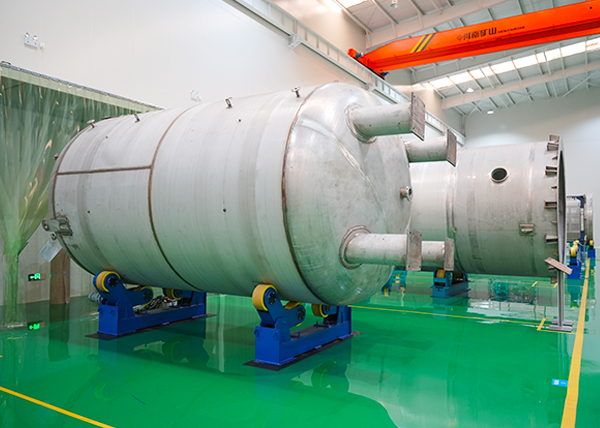
PTFE equipment is widely used across industrial sectors because of its outstanding chemical resistance, low friction, high temperature tolerance, electrical insulation properties, and long service life. When people search for common types of PTFE equipment used in industry, they are usually looking for a practical overview of the most widely applied PTFE components, their functions, key advantages, and typical specifications. This guide provides a clear, original, SEO-friendly explanation of the most common PTFE industrial equipment used in chemical processing, pharmaceuticals, food production, electronics, water treatment, and other demanding environments.
PTFE, short for polytetrafluoroethylene, is a high-performance fluoropolymer known for its non-stick surface, exceptional inertness, and broad operating temperature range. In industrial applications, PTFE is often manufactured into pipes, linings, seals, gaskets, tubing, valves, fittings, sheets, rods, hoses, membranes, filters, and other corrosion-resistant components. These products help reduce downtime, improve process reliability, and extend the service life of equipment exposed to acids, alkalis, solvents, steam, and abrasive media.
This article is designed for use in blogs, category pages, industry pages, and product knowledge pages. It focuses on general industry information only, without recommending specific companies.
PTFE equipment refers to industrial components, parts, and systems made fully or partially from PTFE material. These products are selected when applications require high chemical resistance, low surface energy, non-reactive performance, and stability under harsh operating conditions. Unlike many conventional plastics, PTFE performs reliably in environments where corrosion, contamination, and friction are major concerns.
PTFE equipment can be used as standalone products or as protective layers, linings, seals, and internal contact surfaces inside larger systems. In many industrial processes, PTFE is not chosen for mechanical strength alone, but for its ability to preserve process purity, resist aggressive chemicals, and maintain operational consistency over time.
The popularity of PTFE industrial equipment comes from a combination of technical and economic advantages. Although PTFE may have a higher initial cost than standard plastics, its long service life and resistance to failure often make it a cost-effective solution in the long term.
| Key PTFE Property | Industrial Benefit |
|---|---|
| Excellent chemical resistance | Works with acids, alkalis, solvents, oxidizers, and corrosive fluids |
| Wide temperature resistance | Suitable for hot and cold process environments |
| Low friction coefficient | Reduces wear, sticking, and material buildup |
| Non-stick surface | Improves flow, cleaning, and product release |
| Excellent electrical insulation | Useful in electrical and electronic applications |
| Low moisture absorption | Maintains stability in humid or wet environments |
| High purity | Supports contamination-sensitive industries |
Because of these properties, PTFE is commonly used in corrosion-resistant industrial equipment, especially where metal parts alone cannot provide sufficient durability or safety. It is also favored in processes requiring minimal contamination, smooth flow, and easy maintenance.
Below are the most common categories of PTFE equipment used across industrial applications. Each type serves a different purpose, but all are based on the same core material advantages.
PTFE lined pipes are among the most common types of PTFE equipment used in industry. They are designed to transport corrosive liquids, gases, and process chemicals safely. In these systems, PTFE acts as the inner lining while the outer structure is typically made from metal for mechanical strength.
PTFE lined piping is frequently used in chemical plants, acid handling systems, wastewater treatment facilities, and pharmaceutical production lines. It provides an effective barrier between aggressive media and the pipe wall, reducing corrosion, leakage risk, and contamination.
Common advantages:
PTFE lined fittings include elbows, tees, reducers, couplings, and connectors used in PTFE piping systems. These fittings ensure the entire pipeline remains chemically resistant at connection points, where failure risk is often higher.
In industrial systems, fittings are especially important because they manage flow direction, pressure transitions, and system layout. PTFE lined fittings help maintain flow integrity while protecting against corrosive attack.
PTFE lined valves are essential in process control applications where corrosive media must be started, stopped, redirected, or regulated. PTFE is used in valve seats, linings, diaphragms, ball coatings, and other internal parts to improve chemical resistance and sealing reliability.
Common valve types include ball valves, butterfly valves, plug valves, diaphragm valves, and check valves. PTFE lined valves are widely used in chemical processing, water treatment, bulk liquid transfer, and industrial fluid handling systems.
| Valve Type | Typical PTFE Use | Main Benefit |
|---|---|---|
| Ball valve | Seats, seals, ball coating | Reliable shutoff and corrosion resistance |
| Butterfly valve | Seat lining, disc coating | Compact design and flow control |
| Diaphragm valve | Diaphragm material | Clean, contamination-resistant control |
| Check valve | Seat and sealing parts | Prevents reverse flow in corrosive systems |
PTFE hoses and PTFE flexible tubing are used when a system needs chemical resistance plus flexibility. These products are common in laboratory systems, chemical transfer lines, hydraulic applications, and high-purity fluid transport. PTFE hose assemblies may include braided reinforcement for added pressure strength.
PTFE tubing is valued for its smooth internal surface, low friction, and compatibility with a broad range of fluids. It is often used where contamination control, clean transfer, and heat resistance are essential.
Typical benefits:
PTFE gaskets are sealing components used between flanges, joints, and connection surfaces. Their main job is to prevent leaks in systems carrying corrosive or high-purity materials. PTFE gaskets are common in chemical processing, food production, water systems, and pharmaceutical operations.
Because PTFE is chemically inert and compressible, it forms effective seals against many challenging media. Gaskets may be manufactured in sheet form, molded form, expanded PTFE form, or reinforced versions for greater stability.
PTFE seals and PTFE O-rings are widely used in pumps, valves, compressors, reactors, and rotating equipment. They help prevent fluid leakage while resisting attack from chemicals, heat, and pressure fluctuations.
Compared with many conventional elastomers, PTFE seals offer superior chemical compatibility and lower friction. They are especially useful where standard rubber seals might swell, degrade, or fail prematurely.
PTFE sheets and PTFE plates are used in fabrication, lining, insulation, and sealing applications. They can be cut into custom parts, used as sliding surfaces, or installed as protective barriers in corrosive environments.
These products are common in machine shops, chemical plants, laboratories, and manufacturing facilities. PTFE sheet material is often chosen for its versatility, ease of processing, and resistance to many industrial chemicals.
PTFE rods and PTFE bars are semi-finished materials used to machine custom industrial components. They are commonly fabricated into bushings, spacers, insulators, guide parts, and wear-resistant elements.
These products are useful in industries that need custom PTFE parts with excellent chemical resistance and low friction. PTFE rod stock is especially important for precision engineering applications and replacement parts.
PTFE bushings and PTFE bearings are used in moving assemblies where low friction and high wear resistance are important. They reduce metal-to-metal contact, minimize lubrication requirements, and help extend the service life of mechanical systems.
PTFE bearing components are commonly found in pumps, conveyors, valves, and rotating machinery, particularly where dust, chemicals, or moisture make traditional lubrication difficult.
PTFE coated equipment refers to industrial parts or surfaces coated with PTFE to improve non-stick behavior, reduce friction, and increase chemical resistance. This category includes trays, rollers, molds, fasteners, and process tools.
PTFE coatings are valued in production environments where material buildup, sticking, and cleaning challenges reduce efficiency. The coating helps surfaces release products more easily and improves operational hygiene.
PTFE filters and PTFE membranes are used in filtration, venting, gas purification, and process protection. PTFE membranes are naturally hydrophobic, making them suitable for applications where water resistance and chemical durability are required.
These products are common in pharmaceuticals, laboratory filtration, air handling, and chemical venting systems. They help remove particles while maintaining flow and resisting moisture and aggressive media.
PTFE expansion joints and PTFE bellows are designed to absorb movement, vibration, and thermal expansion in pipelines and equipment. They are especially useful in systems that experience temperature changes or mechanical stress.
Because PTFE handles many corrosive chemicals and challenging process conditions, these components are often installed in chemical transfer systems and process plants to improve reliability and reduce stress on connected equipment.
PTFE reactor linings and PTFE vessel linings are used to protect tanks, reactors, and process vessels from corrosive contents. These linings are essential in chemical manufacturing, fine chemicals, and specialty processing industries where long-term exposure to aggressive fluids can rapidly damage unprotected metal surfaces.
PTFE linings can reduce maintenance costs, improve product purity, and extend the usable life of expensive process vessels. They are a key solution for corrosion management in industrial systems.
PTFE equipment is used in many sectors because chemical resistance and temperature stability are needed in a wide range of production environments. The following industries commonly rely on PTFE industrial products:
| Industry | Typical PTFE Equipment Used | Main Reason for Use |
|---|---|---|
| Chemical processing | Pipes, valves, gaskets, linings, hoses | Resistance to acids, solvents, and reactive chemicals |
| Pharmaceuticals | Tubing, seals, membranes, filters | Clean handling and contamination control |
| Food and beverage | Gaskets, coatings, hoses, seals | Non-stick and hygienic performance |
| Electronics | Insulation parts, wires, sheets | Electrical insulation and heat resistance |
| Water treatment | Valves, pipes, membranes, seals | Corrosion resistance and fluid compatibility |
| Oil and gas | Seals, hoses, valve components | Durability in harsh operating environments |
| Laboratories | Tubing, filters, bottles, fittings | Inertness and chemical purity |
When evaluating common types of PTFE equipment used in industry, it is important to understand the practical advantages that make these products valuable in real-world operations.
PTFE is one of the most chemically resistant materials used in industrial equipment. It resists attack from many acids, bases, solvents, oxidizers, and reactive media. This makes it ideal for aggressive process environments.
PTFE can operate across a wide temperature range, making it useful in both hot and cold conditions. Many industrial applications require materials that remain stable under thermal stress, and PTFE performs well in these settings.
The low friction surface of PTFE helps reduce wear, improve material flow, and minimize sticking or buildup. This is especially useful in moving parts, transfer lines, and surfaces that require easy cleaning.
PTFE is a strong electrical insulator. This makes it useful in wire coatings, cable insulation, electronics, and sensitive systems where electrical safety matters.
PTFE is often selected for high-purity applications because it does not easily react with process materials. This helps protect product quality in pharmaceutical, food, and laboratory environments.
Because PTFE resists corrosion, friction, and temperature stress, equipment made with PTFE often lasts longer than equipment made with less resistant materials. This can reduce replacement frequency and maintenance interruptions.
PTFE equipment specifications vary by product type, design, and industrial application. The table below provides general specification ranges often seen in industrial PTFE products. Actual values depend on the exact product structure and manufacturing method.
| Specification | Typical Range or Description |
|---|---|
| Material type | Virgin PTFE, modified PTFE, expanded PTFE, reinforced PTFE |
| Operating temperature | Commonly used in a wide range from sub-zero conditions up to high heat environments |
| Chemical resistance | Excellent resistance to many industrial chemicals |
| Surface behavior | Low friction, non-stick, smooth internal surface |
| Mechanical strength | Moderate by itself; often improved with reinforcement or metal backing |
| Electrical properties | High dielectric performance and strong insulation |
| Moisture absorption | Very low |
| Fabrication forms | Sheets, rods, tubes, linings, molded parts, coated parts |
Choosing the right PTFE equipment depends on the process environment, fluid type, temperature, pressure, and mechanical load. Since PTFE equipment is used across many industries, the best product depends on application-specific requirements.
Here are the main factors to consider:
In many cases, PTFE is used together with metal, glass, elastomers, or reinforcement materials to achieve the right balance of chemical resistance and mechanical performance. This hybrid design approach is common in modern industrial PTFE equipment.
To understand why PTFE equipment is so widely used, it helps to compare it with other common industrial materials. PTFE does not always replace metals or elastomers, but it often outperforms them in corrosive or contamination-sensitive environments.
| Material | Main Strength | Limitation Compared to PTFE |
|---|---|---|
| Stainless steel | High strength and durability | Can corrode in highly aggressive chemical service |
| Rubber | Flexibility and sealing | May swell, degrade, or absorb chemicals |
| Polypropylene | Good chemical resistance at low cost | Lower temperature resistance than PTFE |
| PVC | Economical and widely available | Less resistant to harsh chemicals and heat |
| PTFE | Exceptional chemical resistance and low friction | Lower mechanical strength than some structural materials |
For this reason, PTFE is often used in critical contact surfaces, linings, seals, and flow-path components, while stronger structural materials provide external support.
PTFE industrial products are produced in several different forms, depending on the end use. The manufacturing method affects performance, durability, and application suitability.
PTFE equipment is generally known for low maintenance needs, but proper installation and handling are still important. In many industrial settings, equipment life depends not only on material quality but also on correct sizing, sealing, support, and operating conditions.
Useful maintenance practices include:
PTFE equipment is often chosen because it can reduce unplanned downtime. When installed correctly, it can provide a reliable, long-lasting solution in harsh industrial processes.
If you are building content around PTFE industrial equipment, the most important categories to mention are PTFE lined pipes, PTFE lined valves, PTFE hoses, PTFE tubing, PTFE gaskets, PTFE seals, PTFE sheets, PTFE rods, PTFE bushings, PTFE coatings, PTFE filters, PTFE membranes, PTFE expansion joints, and PTFE vessel linings. These are the core common types of PTFE equipment used in industry across chemical processing, pharmaceutical manufacturing, food production, electronics, water treatment, and laboratory systems.
In general, PTFE equipment is selected for its combination of chemical resistance, thermal stability, low friction, non-stick performance, and electrical insulation. Whether used as a lining, a seal, a flexible hose, or a precision-machined part, PTFE continues to be one of the most valuable materials for modern industrial applications.
The common types of PTFE equipment used in industry include a broad range of products designed to solve corrosion, sealing, friction, and contamination challenges. From PTFE lined pipes and valves to PTFE gaskets, hoses, sheets, rods, filters, membranes, and vessel linings, these products support safe and efficient operation in some of the most demanding industrial environments.
For companies and engineers seeking long-term reliability, PTFE industrial equipment remains a preferred solution because it combines versatility with exceptional performance. Its role in chemical resistance, high-purity processing, and low-friction applications makes it an essential material across many sectors. As industrial processes continue to demand greater durability and cleaner operation, PTFE equipment will remain a key part of modern production and fluid handling systems.
著作権 © 2023 江蘇解放新材料有限公司 サイトマップ
この Web サイトでは、お客様に最高のエクスペリエンスを提供するために Cookie を使用しています。

 English
 Pусский
 한국어
한국어 हिन्दी



 ワッツアップ
 電話
電話
コメント
(0)