
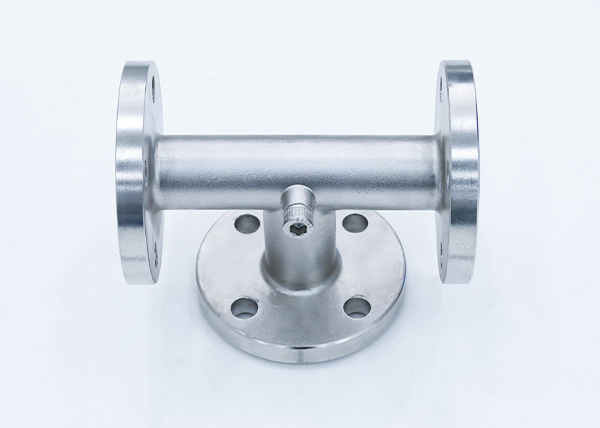
PTFE equipment is widely used in the chemical industry because it combines exceptional
chemical resistance, high thermal stability, low friction, and strong non-stick performance.
When chemical processes involve aggressive acids, solvents, caustic solutions, oxidizers,
or high-purity fluids, PTFE (polytetrafluoroethylene) equipment provides a durable and
reliable solution. It helps protect process integrity, reduce contamination, improve safety,
and extend equipment service life.
In modern chemical plants, PTFE equipment is applied across fluid handling, reaction systems,
filtration, lining protection, sealing components, and corrosion-resistant piping networks.
Its broad compatibility with corrosive media makes it one of the most important materials
used in chemical processing environments. This article explains what PTFE equipment is,
how it is used in the chemical industry, its major advantages, common specifications,
and the key selection factors that influence performance.
PTFE equipment refers to industrial components, parts, linings, fittings, and assemblies
manufactured from polytetrafluoroethylene or incorporating PTFE as a functional material.
PTFE is a fluoropolymer known for outstanding resistance to chemical attack and extremely
low surface energy. In chemical applications, PTFE equipment is used wherever traditional
metals, plastics, or elastomers may fail due to corrosion, sticking, permeation, or purity
concerns.
PTFE is valued in the chemical industry because it performs well under exposure to a wide
range of aggressive substances. It resists many acids, bases, organic solvents, and oxidizing
agents, and it maintains stable performance across a broad temperature range. PTFE equipment
is commonly used in pipelines, valves, gaskets, seals, hoses, reactors, tanks, pump parts,
filter components, and corrosion protection systems.
The chemical industry depends on materials that can handle harsh operating conditions.
Many production environments involve corrosive liquids, elevated temperatures, pressure
changes, and continuous exposure to reactive compounds. In these conditions, PTFE equipment
helps prevent breakdown, leakage, product contamination, and unplanned downtime.
PTFE equipment is particularly important for processes where material compatibility is a
priority. If a pipe, valve seat, gasket, or lining fails, the result may be equipment damage,
production interruption, environmental exposure, or safety risk. By using PTFE equipment,
chemical plants can improve process reliability and reduce maintenance costs while supporting
consistent product quality.
The performance of PTFE equipment comes from a combination of physical and chemical properties
that make it suitable for demanding chemical process environments. These properties are the
main reason PTFE remains one of the most widely used fluoropolymers in the industry.
| Property | Typical Benefit in Chemical Industry Applications |
|---|---|
| Excellent chemical resistance | Helps withstand acids, bases, solvents, and reactive compounds |
| Wide temperature range | Supports stable use in hot and cold process conditions |
| Low friction coefficient | Reduces sticking, improves flow behavior, and supports easier cleaning |
| Non-stick surface | Limits buildup, scaling, and product adhesion |
| High purity | Suitable for sensitive chemical processing and contamination control |
| Electrical insulation | Useful in some specialized process and safety applications |
| Weather and aging resistance | Improves long-term durability in demanding operating environments |
| Low permeability | Helps limit diffusion and leakage of certain media |
PTFE equipment has broad use across the chemical industry because it can be manufactured in
many forms and integrated into different parts of a process line. Below are the most common
application areas.
PTFE lined piping systems are used to transport corrosive fluids safely and efficiently.
In chemical plants, process lines often carry aggressive media that would quickly attack
bare carbon steel or standard stainless steel. PTFE lining provides a chemical barrier that
protects the pipe structure while maintaining reliable flow performance.
PTFE lined pipes are commonly used for acid transfer, solvent transport, reagent handling,
wastewater treatment, and intermediate chemical delivery. They help reduce corrosion risk,
extend service life, and support cleaner fluid handling with less maintenance.
PTFE valves and valve seats are widely used in chemical process control because they resist
corrosion and offer dependable sealing. In many systems, valve components are exposed directly
to aggressive media, making PTFE a practical material for seats, seals, diaphragms, and
internal wetted parts.
PTFE valve components help maintain shutoff performance, reduce leakage, and improve service
life. They are particularly useful in applications where fluid purity, corrosion resistance,
and reliable operation are essential.
PTFE gaskets are important in flanged connections, pumps, reactors, heat exchangers, and
storage systems. They are selected because they provide a strong seal while resisting attack
from chemicals that may degrade standard rubber or fiber-based sealing materials.
In the chemical industry, sealing reliability is critical. PTFE gaskets help reduce leaks,
improve maintenance intervals, and support safer operation in systems where corrosive fluids
or vapors are present.
PTFE hoses are used where flexibility is required without sacrificing chemical resistance.
Chemical plants often need hose assemblies for loading, unloading, sampling, drum filling,
mobile transfer, and equipment connection points. PTFE hoses help maintain compatibility
with aggressive fluids while reducing contamination and odor retention.
These hoses are often reinforced with stainless steel braid or other external reinforcement
to improve pressure capability and mechanical strength. This makes them suitable for demanding
process transfer applications.
Storage tanks and process vessels can suffer from severe corrosion when they hold aggressive
chemicals. PTFE linings are used to protect internal surfaces from chemical attack and
to extend the operating life of tanks, reactors, and receivers.
PTFE-lined vessels are especially valuable in batch production, reagent storage, and highly
corrosive service environments. They help preserve structural integrity while supporting
stable process conditions.
Pumps used in chemical processing must handle corrosive liquids without losing performance.
PTFE can be used in pump liners, diaphragms, seals, and other wetted parts. These components
allow pumps to operate in harsh service while reducing wear and chemical degradation.
PTFE pump parts are especially helpful in metering, transfer, dosing, and circulation systems
where reliable chemical compatibility is essential.
Filtration systems in chemical processing often need materials that will not contaminate the
product stream or degrade under chemical exposure. PTFE filter elements, membranes, and
support components are used in applications that demand high purity and strong resistance
to aggressive media.
PTFE filtration products are used in gas filtration, liquid filtration, venting systems,
sampling systems, and fine chemical production lines.
PTFE equipment delivers several advantages that directly address the operating needs of
the chemical industry. These benefits explain why PTFE continues to be used in so many
process systems worldwide.
| Advantage | Practical Impact in Chemical Industry Use |
|---|---|
| Corrosion resistance | Protects equipment from aggressive chemical attack |
| Reduced contamination | Helps maintain product purity and process cleanliness |
| Long service life | Reduces replacement frequency and maintenance interruptions |
| Low friction | Improves flow behavior and lowers fouling risk |
| Leak resistance | Supports safer operation and improved sealing performance |
| Thermal stability | Allows use in many hot and cold process conditions |
| Versatile fabrication | Can be used in linings, sheets, seals, hoses, and machine parts |
| Lower downtime | Improves process continuity and operational efficiency |
PTFE equipment improves plant performance in several practical ways. First, it protects
critical process infrastructure from chemical corrosion. Since many chemicals can damage
unprotected metals and standard polymers, PTFE acts as a protective barrier that preserves
equipment function.
Second, PTFE equipment supports stable product quality. Because PTFE is chemically inert and
low in contamination risk, it helps reduce unwanted interaction between the process media and
the equipment surface. This is especially valuable in fine chemicals, specialty chemicals,
and high-purity processing.
Third, PTFE equipment reduces maintenance frequency. When components last longer and resist
fouling, operators spend less time repairing leaks, replacing worn parts, and cleaning buildup.
This can support higher uptime and better cost efficiency over the life of the plant.
Fourth, PTFE equipment contributes to operational safety. Chemical leaks, vapor emissions,
and sudden material failure can create significant hazards. PTFE linings, seals, hoses, and
valves help reduce those risks by improving chemical compatibility and sealing reliability.
PTFE equipment is used throughout many process areas in chemical plants. The following table
summarizes common uses by application zone.
| Process Area | Typical PTFE Equipment Use | Main Benefit |
|---|---|---|
| Raw material transfer | PTFE hoses, lined pipes, valves | Safe handling of corrosive feedstocks |
| Reaction systems | PTFE linings, seals, gaskets, vessel components | Protection against aggressive reactants |
| Storage and holding | PTFE-lined tanks, gaskets, vent parts | Reduced corrosion and leakage |
| Sampling | PTFE tubing, valves, connectors | Maintains purity and chemical resistance |
| Filtration | PTFE membranes, filter parts, housings | High purity and media compatibility |
| Waste treatment | PTFE-lined lines, gaskets, pump parts | Corrosion resistance in harsh effluent service |
| Loading and unloading | PTFE hoses, couplings, seals | Flexible, durable transfer performance |
| Metering and dosing | PTFE diaphragms, seats, tubing | Accurate delivery of reactive chemicals |
PTFE equipment is available in several product forms to suit different chemical process
requirements. Each form serves a specific role in plant design and maintenance.
| PTFE Equipment Form | Typical Use | Key Performance Focus |
|---|---|---|
| PTFE sheet | Gaskets, liners, fabricated parts | Barrier protection and sealing |
| PTFE rod | Machined components, spacers, bushings | Wear resistance and chemical durability |
| PTFE tube | Fluid transfer, sampling, lab systems | Purity and corrosion resistance |
| PTFE hose | Flexible transfer connections | Flexibility and media compatibility |
| PTFE lining | Pipes, tanks, reactors | Corrosion protection |
| PTFE gasket | Flanged joints, vessel closures | Leak prevention and sealing reliability |
| PTFE valve parts | Seats, diaphragms, stem seals | Operational sealing and chemical resistance |
| PTFE membrane | Filtration, venting, separation | Selective permeability and purity |
Selecting the right PTFE equipment for chemical industry use depends on process conditions,
media characteristics, and mechanical requirements. Buyers and engineers should evaluate
specifications carefully to ensure compatibility and performance.
| Specification | Why It Matters |
|---|---|
| Chemical compatibility | Ensures the equipment can safely contact the process media |
| Temperature range | Confirms suitability for process heat and thermal cycling |
| Pressure rating | Indicates safe operation under system pressure |
| Dimensions and tolerances | Affects fit, sealing, and installation accuracy |
| Wall thickness or lining thickness | Influences durability and corrosion protection level |
| Surface finish | Impacts flow, cleanliness, and contamination control |
| Reinforcement structure | Important for hoses and composite assemblies |
| Seal design | Critical for leak-tight performance in joints and valves |
| Purity grade | Important in high-purity and sensitive chemical processes |
| Fabrication method | Determines final strength, consistency, and application fit |
The following table provides general reference information for PTFE equipment used in the
chemical industry. Actual values may vary depending on product design, fabrication method,
reinforcement, and application environment.
| Specification Item | Typical Range or Characteristic |
|---|---|
| Material type | Polytetrafluoroethylene (PTFE) |
| Service temperature | Commonly used across a wide temperature range, depending on design |
| Chemical resistance | Excellent against many acids, bases, and solvents |
| Friction coefficient | Very low compared with many engineering materials |
| Surface property | Non-stick, low adhesion, low fouling tendency |
| Electrical property | Strong electrical insulation characteristics |
| Water absorption | Very low |
| Typical forms | Sheets, rods, tubes, hoses, liners, gaskets, seals, membranes |
| Common industry use | Corrosive fluid transfer, sealing, lining, filtration, and protection |
Chemical plants often compare PTFE equipment with metal, rubber, and other polymer options.
While each material has its own advantages, PTFE stands out in highly corrosive and purity-
sensitive applications.
| Material | Typical Strength | Typical Limitation |
|---|---|---|
| PTFE | Excellent chemical resistance and low friction | Lower mechanical rigidity than some metals |
| Stainless steel | Strong mechanical performance | Can corrode in highly aggressive chemical service |
| Rubber | Good flexibility and sealing in some services | Limited resistance to many solvents and strong chemicals |
| Standard plastics | Lightweight and economical | May have lower temperature or chemical resistance than PTFE |
| Glass-lined steel | Strong corrosion resistance in specific uses | Can be brittle and less suitable for impact or thermal shock |
PTFE equipment is often selected for service with a broad range of chemical media. Its broad
compatibility is one of the main reasons it is so widely used in the industry. Typical media
include acids, alkalis, solvents, oxidizers, and many process chemicals.
| Chemical Media Group | Typical PTFE Equipment Use Case |
|---|---|
| Strong acids | Pipes, valves, linings, seals, and gaskets |
| Caustic solutions | Transfer lines, tanks, pump parts, and fittings |
| Organic solvents | Hoses, tubing, valve seats, and membrane systems |
| Oxidizing agents | Corrosion-resistant linings and protective components |
| Reactive intermediates | Reactor seals, wetted parts, and dosing systems |
| High-purity fluids | Sampling lines, filtration, and contamination-sensitive transfer |
Choosing the correct PTFE equipment requires more than simply selecting a PTFE product.
Engineers should match the design to the actual process conditions, media, and mechanical
load requirements.
Proper installation and maintenance are essential for achieving the full performance of PTFE
equipment in chemical industry service. Even though PTFE is highly resistant to chemical attack,
improper handling or assembly can reduce performance.
During installation, correct alignment, torque control, and support structure are important.
PTFE components should not be overcompressed or mechanically damaged during fitting. For lined
piping and vessels, installation must ensure the lining remains intact and protected from
abrasion or impact.
Maintenance practices should include regular inspection for wear, deformation, leakage, and
surface damage. PTFE equipment often offers long service life, but periodic checks help ensure
consistent performance and prevent unplanned failures. In corrosive service, preventive
maintenance is especially valuable.
PTFE equipment delivers the greatest value in chemical industry operations where corrosion,
contamination, and reliability are major concerns. It is especially valuable in:
In these environments, PTFE equipment can reduce material failure risk and support more stable,
efficient production. Its broad application range makes it a core material choice in modern
chemical engineering.
If you are building a blog page, category page, or industrial landing page, the following
keyword phrases are highly relevant and naturally associated with the topic of PTFE equipment
in chemical processing.
| Primary Keyword | Related Keyword Variations |
|---|---|
| PTFE equipment | PTFE chemical equipment, PTFE industrial equipment, PTFE process components |
| PTFE in chemical industry | chemical processing PTFE, PTFE applications in chemicals, PTFE corrosion resistance |
| PTFE lined equipment | PTFE lined pipes, PTFE lined tanks, PTFE lined reactors |
| PTFE valves | PTFE valve seats, PTFE wetted parts, chemical resistant valves |
| PTFE gaskets | PTFE sealing solutions, chemical resistant gaskets, PTFE flange gasket |
| PTFE hoses | chemical transfer hoses, flexible PTFE hose, corrosion resistant hose |
| PTFE lining | chemical vessel lining, corrosion protection lining, PTFE tank lining |
| PTFE filtration | PTFE membranes, chemical filtration media, high purity filtration |
PTFE equipment plays a critical role in the chemical industry by offering outstanding chemical
resistance, reliable sealing, low friction, and long-term durability. It is used in piping,
valves, hoses, gaskets, linings, pumps, tanks, reactors, and filtration systems where
aggressive chemicals or high-purity requirements demand a superior material solution.
For chemical plants, PTFE equipment supports safer operation, lower maintenance, improved
product quality, and greater process reliability. Whether the application involves corrosive
fluid transfer, leak prevention, equipment lining, or contamination control, PTFE remains one
of the most trusted materials in chemical processing environments.
When selecting PTFE equipment, it is important to evaluate chemical compatibility, temperature
and pressure conditions, mechanical requirements, and fabrication quality. With the right
specification and proper installation, PTFE equipment can deliver exceptional performance in
a wide range of chemical industry applications.
```
著作権 © 2023 江蘇解放新材料有限公司 サイトマップ
この Web サイトでは、お客様に最高のエクスペリエンスを提供するために Cookie を使用しています。

 English
 Pусский
 한국어
한국어 हिन्दी



 ワッツアップ
 電話
電話
コメント
(0)