
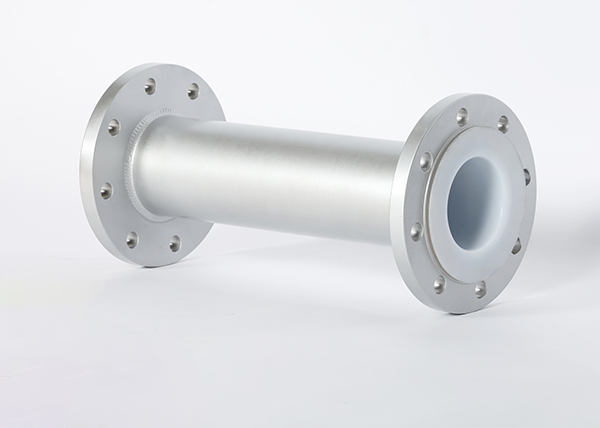
If you are new to industrial materials, laboratory components, or chemical process systems, choosing the right PTFE equipment can feel confusing. PTFE, also known as polytetrafluoroethylene, is widely used because of its outstanding chemical resistance, low friction, high temperature tolerance, and excellent non-stick performance. These properties make PTFE equipment suitable for demanding environments where durability, purity, and stability matter.
For beginners, the key is not to choose the “most advanced” product, but to match the PTFE equipment type to the application, working conditions, and performance requirements. This guide explains what PTFE is, why it is used, what types of PTFE equipment are common, which specifications matter, and how to evaluate the right option for your project. The information below is designed to be practical, SEO-friendly, and easy to insert directly into a blog, category page, or industry resource page.
PTFE equipment refers to parts, components, tools, liners, fittings, seals, tubing, sheets, and process accessories made from or coated with PTFE material. PTFE is a fluoropolymer known for its exceptional resistance to aggressive chemicals and its ability to perform in wide temperature ranges. It is often used in industries such as chemical processing, pharmaceuticals, food production, electronics, water treatment, and laboratory research.
Unlike many plastics, PTFE offers a unique combination of properties:
Because of these features, PTFE equipment is often selected where metal, rubber, or standard plastics cannot deliver the same level of performance.
Beginners often hear about PTFE equipment because it is considered one of the most versatile materials in industrial and scientific settings. It is especially attractive when the application involves chemicals, heat, moisture, or contamination concerns.
Common reasons to choose PTFE equipment include:
For first-time buyers, PTFE is often a safe material choice when performance reliability is more important than the lowest initial cost.
Before selecting PTFE equipment, beginners should understand the material’s core properties. These features influence product selection, service life, and compatibility.
| Property | Typical PTFE Advantage | Why It Matters |
|---|---|---|
| Chemical resistance | Very high | Supports aggressive chemical environments |
| Temperature resistance | Wide range | Suitable for heat and cold exposure |
| Friction coefficient | Very low | Reduces sticking and wear |
| Dielectric strength | Excellent | Useful for electrical insulation applications |
| Surface energy | Low | Improves non-stick performance |
| Moisture absorption | Extremely low | Helps maintain performance in wet conditions |
| UV/weather resistance | Good | Useful for exposed environments |
These material traits explain why PTFE equipment is often used in highly demanding industrial and laboratory settings.
PTFE equipment is available in many forms, and beginners should select based on the function required. Below are the most common product categories.
PTFE tubing is used for fluid transfer, chemical transport, gas handling, and laboratory flow systems. It is valued for its chemical inertness and smooth internal surface.
PTFE sheets are used as liners, insulating barriers, gaskets, sliding surfaces, and fabrication material. They may be cut, machined, or formed into custom parts.
PTFE gaskets and seals are used in flanged joints, pumps, valves, and chemical systems. They help prevent leakage in corrosive or high-purity environments.
PTFE rods are commonly used to machine custom components, such as bushings, washers, spacers, and valve seats. They are suitable when standard sizes do not fit the application.
PTFE-lined equipment includes pipes, fittings, tanks, valves, and vessels that combine a structural base material with a PTFE inner lining. This is common in corrosion control applications.
PTFE tape is widely used in sealing threaded joints and preventing leakage. It is simple, cost-effective, and beginner-friendly for basic assembly tasks.
For beginners, choosing appropriate PTFE equipment becomes easier when broken into clear steps.
The first question is: what will the PTFE equipment actually do? Different applications demand different physical forms, tolerances, and performance levels.
Ask yourself:
A precise use case helps narrow the product type quickly.
One of the biggest reasons to choose PTFE equipment is chemical resistance. However, not every PTFE product is equally suited to every process condition. Beginners should identify the media the equipment will contact.
Consider the following:
PTFE performs well in many of these environments, but compatibility should always be verified against the exact process chemistry, concentration, and temperature.
Temperature is a critical selection factor. PTFE is known for stable thermal performance, but beginners should still confirm whether the equipment will face continuous heat, short-term peaks, or cold storage.
Important temperature questions include:
Choosing a PTFE product with suitable thermal margin improves durability and safety.
PTFE is chemically excellent, but beginners should remember that mechanical strength and creep resistance depend on the product form and design. A tube, gasket, sheet, or lining may behave differently under pressure or load.
Check:
For high-load applications, filled PTFE or reinforced structures may be more appropriate than standard virgin PTFE.
PTFE equipment is not all the same. There are several grades and variants, and the best choice depends on performance requirements.
Beginners should avoid assuming that all PTFE equipment is interchangeable. The grade matters significantly.
Size and fit are essential. PTFE equipment must match the physical requirements of the installation, especially in tubing, seals, and machined parts.
Consider:
Inaccurate dimensions can cause leakage, poor assembly, or reduced service life.
Some applications require high-purity PTFE equipment, especially in food, pharmaceutical, laboratory, and semiconductor environments. Beginners should verify any regulatory or material compliance requirements before selecting equipment.
Examples of compliance topics may include:
Not all PTFE products are certified for every regulated environment, so documentation matters.
Standard PTFE equipment is often the easiest choice for beginners because it is simple, widely available, and cost-efficient. However, custom-made parts may be necessary when the application involves unusual geometry, high precision, or special process conditions.
Use standard products when:
Use custom products when:
| PTFE Equipment Type | Main Function | Best For | Beginner Selection Tip |
|---|---|---|---|
| PTFE tubing | Fluid and gas transfer | Chemical lines, lab systems | Check ID, OD, wall thickness, and bend radius |
| PTFE sheets | Lining, insulation, fabrication | Gaskets, barriers, anti-stick surfaces | Match thickness and cut size to the application |
| PTFE gaskets | Sealing flanged joints | Leak prevention in corrosive service | Confirm flange size, pressure, and temperature |
| PTFE rods | Machining custom parts | Washers, bushings, seats | Choose diameter based on final machined dimensions |
| PTFE-lined equipment | Corrosion protection | Pipes, tanks, valves | Verify lining thickness, base material, and process compatibility |
| PTFE tape | Thread sealing | Maintenance and assembly | Use correct tape width and density for the thread type |
| PTFE seals | Leak control | Pumps, valves, fittings | Check compression, fit, and media exposure |
Specification review is one of the most important steps in choosing PTFE equipment. Beginners should focus on the data that affects performance directly.
| Specification | What It Means | Why Beginners Should Check It |
|---|---|---|
| Material grade | Virgin, filled, expanded, reinforced | Determines strength, purity, and wear performance |
| Temperature range | Operating thermal limits | Ensures safe and stable use |
| Chemical compatibility | Resistance to process media | Prevents premature failure |
| Dimensions | Size, thickness, diameter, length | Required for proper fit |
| Tolerance | Allowed variation from nominal size | Important for precision assembly |
| Pressure rating | Maximum supported pressure | Prevents leaks and deformation |
| Purity level | Contamination risk and extractables | Critical in food, pharma, and lab work |
| Surface finish | Texture and smoothness | Affects sealing, friction, and cleanliness |
Understanding the advantages of PTFE equipment helps beginners compare it with other materials such as rubber, PVC, polypropylene, stainless steel, or other fluoropolymers.
These benefits make PTFE equipment a strong option for beginners seeking reliable material performance.
Although PTFE has many strengths, beginners should also understand its limitations. Selecting the right PTFE equipment means knowing where it may not be ideal.
If the application requires high structural strength, impact resistance, or low-cost general-purpose use, another material may be better. PTFE is strongest when chemical resistance, purity, and non-stick performance are top priorities.
Beginners often compare PTFE equipment with other common materials. The table below provides a simple overview.
| Material | Main Strength | Typical Limitation Compared to PTFE |
|---|---|---|
| PTFE | Chemical resistance, low friction, purity | Lower rigidity and higher cost than basic plastics |
| Rubber | Flexibility and sealing | Less chemical resistance and temperature stability |
| PVC | Low cost and ease of use | Lower performance in heat and aggressive chemicals |
| Polypropylene | Good chemical resistance at moderate cost | Usually less temperature tolerance than PTFE |
| Stainless steel | Strength and durability | Can corrode in certain chemicals; not non-stick |
| Silicone | Flexibility and temperature resistance | Less chemical resistance in many environments |
This comparison helps clarify when PTFE equipment is the better material choice and when another option may be more practical.
PTFE equipment serves many industries, and beginners should match the product category to the sector requirements.
For chemical processing, PTFE equipment is often selected for pipes, liners, gaskets, seals, and valve components. Chemical resistance is usually the top priority.
In laboratory and pharmaceutical environments, purity, inertness, and cleanability matter most. PTFE tubing, seals, and fittings are common.
Food-grade PTFE equipment may be used where non-stick performance and chemical cleanliness are important. Compliance and surface hygiene are key selection factors.
PTFE is valued as an insulator in wire insulation, connectors, and sensitive electrical systems because of its dielectric properties.
PTFE equipment may be used in systems handling corrosion-prone chemicals, seals, and flow components.
PTFE tape, seals, and sliding components are commonly used to reduce friction and improve joint integrity.
Use this checklist to simplify the selection process.
| Checklist Item | Question to Ask |
|---|---|
| Application type | What is the equipment supposed to do? |
| Media exposure | Which chemicals, gases, or fluids will contact the PTFE? |
| Temperature | What is the normal and peak operating temperature? |
| Pressure | Will the part see pressure, vacuum, or clamping load? |
| Grade | Do you need virgin, filled, expanded, or reinforced PTFE? |
| Size | Are dimensions and tolerance correct for installation? |
| Compliance | Are there food, pharma, or electrical requirements? |
| Service life | Is long-term durability important for this application? |
| Budget | Does the product balance performance and cost? |
Yes. PTFE equipment is often a beginner-friendly choice because it is widely used, highly versatile, and available in many standard forms such as tubing, tape, gaskets, and sheets.
The most important factor is application compatibility. Beginners should first define the chemical, temperature, pressure, and dimensional requirements before selecting a PTFE product.
Not always. Virgin PTFE is excellent for purity and chemical resistance, but filled or reinforced PTFE may be better for wear resistance, dimensional stability, or load-bearing conditions.
PTFE is known for strong thermal performance, but the exact suitability depends on continuous temperature, peak temperature, and mechanical stress. Always check the product specification.
Because it offers outstanding chemical resistance, low friction, and good long-term reliability in corrosive environments where many other materials fail.
Beginners can choose appropriate PTFE equipment by focusing on application requirements, chemical exposure, temperature limits, pressure conditions, material grade, dimensions, and compliance needs. PTFE is one of the most versatile industrial materials because it combines chemical resistance, low friction, thermal stability, and excellent purity. However, the right choice depends on the exact use case.
For simple tasks, standard PTFE tubing, tape, sheets, or gaskets may be enough. For harsher environments, filled PTFE, reinforced PTFE, or PTFE-lined equipment may be more appropriate. The safest approach is to match the product type and specification to the operating condition rather than selecting PTFE based on name alone.
By using the tables, checklists, and selection steps in this guide, beginners can make smarter PTFE equipment decisions and reduce the risk of leakage, premature wear, poor fit, or material failure. Whether the application is industrial, laboratory, electrical, or maintenance-related, choosing the right PTFE equipment starts with understanding the basics and reviewing the details carefully.
著作権 © 2023 江蘇解放新材料有限公司 サイトマップ
この Web サイトでは、お客様に最高のエクスペリエンスを提供するために Cookie を使用しています。

 English
 Pусский
 한국어
한국어 हिन्दी



 ワッツアップ
 電話
電話
コメント
(0)